The right window treatments can help your home stay warmer in winter and cooler in summer, which can make your heating and cooling system work less hard. Thermal blinds, blockout blinds, shutters and other insulated window treatments add another layer between your home and the glass, helping to reduce heat loss and manage sunlight. They won’t replace good insulation or double glazing, but they can make a noticeable difference to how comfortable your home feels.
Why Do Windows Have Such an Impact on Temperature?
Windows bring in plenty of natural light, but they can also be one of the easier places for heat to move in and out of your home.
In winter, you might spend the evening heating the living room, only to find it feels cold again once the heating goes off. In summer, the opposite can happen. A room with large, sunny windows can quickly become one of the hottest parts of the house.
This is particularly noticeable in older Auckland homes. Villas and bungalows can have beautiful large windows, but many still have single glazing and less insulation than newer homes.
Your window coverings can’t solve all of these problems, but they can help.
Think of them as another layer between the inside of your home and the outside temperature.
Can Blinds Really Help Reduce Heating and Cooling Costs?
They can help, but it’s important to keep expectations realistic.
Blinds aren’t a replacement for insulation, double glazing or an efficient heat pump. Instead, they can work alongside those things to help your home hold onto warmth in winter and limit unwanted heat in summer.
In winter, closing your blinds and curtains once the sun goes down can help reduce heat escaping through the windows.
During the day, opening them on sunny windows can allow natural sunlight to warm the room.
In summer, you can do the opposite. Closing blinds before strong afternoon sun hits the glass can help stop a room heating up in the first place.
It sounds simple, but using your window coverings with the seasons can make your home more comfortable without constantly reaching for the heater or air conditioning.
What Are Thermal Blinds?
Thermal blinds are window coverings designed to provide additional insulation around your windows.
Depending on the blind and fabric, they can help reduce the amount of heat transferred through the window. This can be particularly useful in rooms that tend to feel noticeably colder in winter or warmer in summer.
Thermal or insulated window treatments can be worth considering if you have:
- Older or single-glazed windows
- Large areas of glazing
- Bedrooms that get cold overnight
- Rooms that receive strong afternoon sun
- Draughty character homes
- Spaces where you’re regularly using heating or cooling
It’s worth looking at the complete window rather than assuming a blind labelled “thermal” will automatically make a room warmer. The type of glass, the window frame, the blind fabric and how closely the blind fits the window can all affect the result.
Which Window Treatments Can Help With Insulation?
There isn’t one perfect blind for every home. Different window treatments have different strengths, so it’s worth thinking about what you’re trying to achieve in each room.
Blockout Roller Blinds
Blockout roller blinds are a practical option for bedrooms and living areas where you want good control over light as well as another layer between the room and the window.
They’re particularly useful at night when you want to keep the room comfortable and reduce the amount of warmth escaping through the glass.
They’re also simple and versatile, which makes them easy to use throughout the home.
Thermal and Insulated Fabrics
Some roller blind fabrics are specifically designed to provide better thermal performance.
If insulation is one of your priorities, ask about the properties of the fabric rather than simply choosing a blind because it’s described as “thermal”.
The right fabric can be particularly useful for bedrooms, living rooms and older homes where the windows themselves aren’t particularly energy efficient.
Plantation Shutters
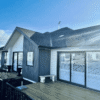
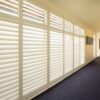
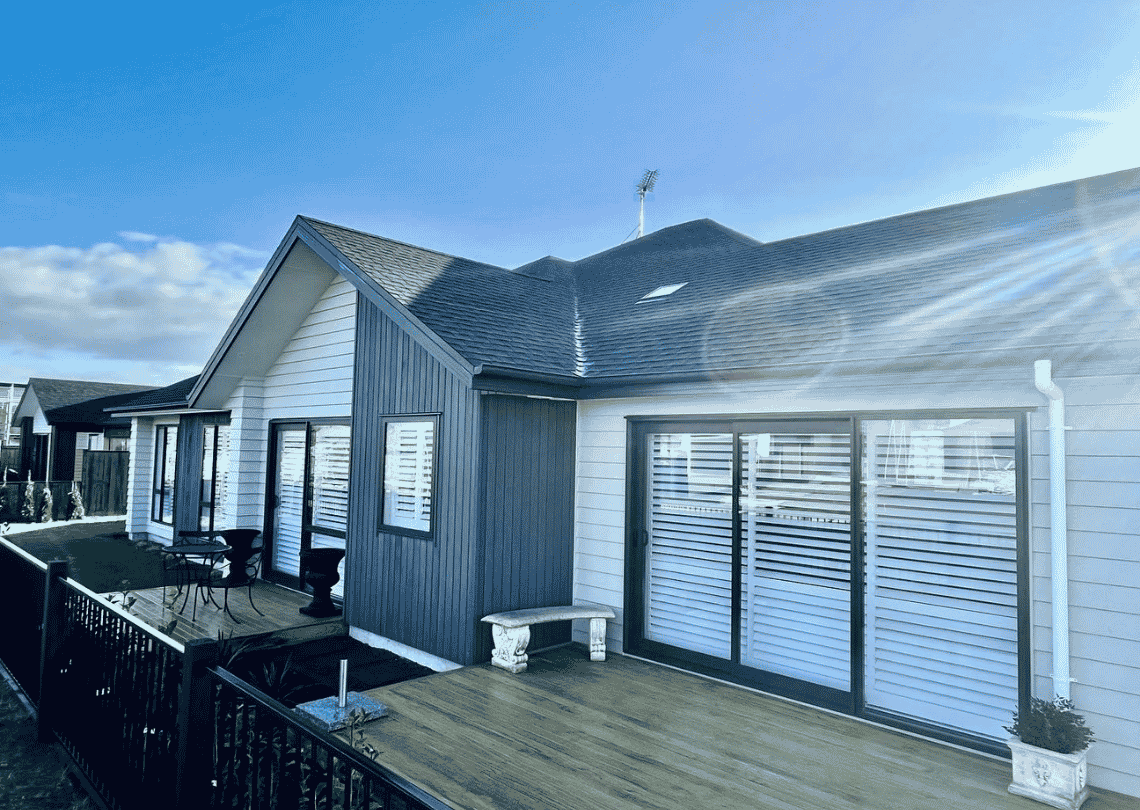
Plantation shutters can also help with temperature control by creating a solid covering over the window.
When the louvres are closed, they add another layer between the glass and the room while also allowing you to control how much sunlight comes through.
They’re a popular choice for Auckland character homes because they can improve privacy and light control without looking out of place alongside features like sash windows, timber floors and original architraves.
Curtains and Layered Window Coverings
Don’t forget about curtains.
A blind paired with curtains can provide another layer of insulation, particularly in bedrooms and living areas.
You might use the blind during the day to manage glare and privacy, then close the curtains at night when you’re trying to keep the room warm.
Layering can also be a good option if you want the flexibility of changing how much light and warmth you’re letting in throughout the day.
What About Keeping Your Home Cool in Summer?
Energy efficiency isn’t just about staying warm.
Auckland can have some seriously warm afternoons, and rooms with large north- or west-facing windows can heat up quickly when the sun is coming through.
The trick is to stop as much heat as possible from entering the room in the first place.
Closing blinds on sunny windows before the room becomes hot is more useful than waiting until you’re already sitting in a sauna and then reaching for the air conditioning.
Sunscreen roller blinds can work particularly well in living areas. They reduce glare and solar heat while still allowing you to see outside and keep some natural light coming into the room.
They’re especially handy if you have a beautiful outlook that you don’t want to completely block with a blockout blind.
North, South, East or West? Window Direction Matters
The direction your windows face can have a surprising effect on which window covering works best.
A north-facing living room might receive lots of useful winter sun but also become very warm during summer.
West-facing windows can be particularly challenging in the afternoon when the sun is low and direct. This can create glare on televisions and make living rooms uncomfortable.
Bedrooms facing east may get lovely morning light, which sounds great until your child is awake at 5.30am because the sun is streaming straight through the window.
The best window covering depends on what that particular room needs.
That’s why we wouldn’t necessarily recommend the same fabric or blind throughout an entire house.
A Simple Winter and Summer Strategy
| Season | What to Do | Why |
|---|---|---|
| Winter morning | Open blinds on sunny windows | Let natural warmth into the room |
| Winter evening | Close blinds and curtains | Help reduce heat loss |
| Summer morning | Use natural light where possible | Avoid unnecessary artificial lighting |
| Summer afternoon | Close blinds on sunny windows | Reduce heat and glare |
| Summer evening | Open windows and coverings when appropriate | Let the home cool down |
It doesn’t need to become a complicated routine. Once you get into the habit of adjusting your blinds with the weather, it becomes second nature.
Older Auckland Homes Can Benefit Too
If you’re renovating an Auckland villa or bungalow, window coverings are worth considering alongside the bigger insulation decisions you’re making.
Character homes often have beautiful tall windows, timber joinery and plenty of natural light, but they can also be draughty and harder to heat than a modern home.
You don’t necessarily need to change the character of the house to make it more comfortable.
Shutters, layered curtains and well-chosen roller blinds can provide better light and temperature control while still working with the original architecture.
For many homeowners, it’s about finding that balance between keeping the things they love about an older home and making it work better for modern life.
What Else Should You Think About?
Energy efficiency is important, but it shouldn’t be the only thing you consider when choosing your blinds.
Think about:
- How much sunlight enters the room
- Privacy
- Glare on TVs and screens
- Insulation
- Humidity and moisture
- Child safety
- How easy the blinds are to clean
- The style and age of your home
- How often you’ll want to adjust them
A bedroom might need excellent blockout and insulation, while a living room might be better suited to sunscreen blinds that keep your view while reducing glare.
The best window treatment is the one that solves the problems you actually have.
Which Window Covering Is Right for Your Home?
| Your Priority | Options to Consider |
|---|---|
| Keep bedrooms warmer at night | Blockout or thermal roller blinds, shutters, curtains |
| Reduce summer heat | Sunscreen blinds, shutters |
| Reduce glare | Sunscreen roller blinds |
| Improve comfort in older homes | Thermal fabrics, shutters, layered treatments |
| Large areas of glass | Sunscreen or motorised roller blinds |
| Maximum flexibility | Layered blinds and curtains |
| Character home | Plantation shutters, Roman blinds, layered curtains |
| Hard-to-reach windows | Motorised blinds |
Can Motorised Blinds Help With Temperature Control?
Motorised blinds can make it easier to manage your window coverings consistently.
If you have large windows or lots of blinds throughout the house, manually opening and closing everything can become a bit of a mission.
Motorised blinds allow you to adjust multiple windows at once and, depending on the system, schedule them to open or close at certain times.
For example, you could have blinds open during a sunny winter morning and close before the strongest afternoon sun arrives in summer.
They’re particularly useful for large windows, high ceilings and hard-to-reach areas.
You don’t need to turn your entire house into a smart home either. Sometimes the convenience of being able to control a few key windows is enough.
Small Changes Can Make Your Home More Comfortable
You don’t need to replace every window or completely renovate your home to start thinking about energy efficiency.
Sometimes it’s about making better use of the window coverings you already have.
Open blinds when winter sunlight can warm a room. Close them when the sun is heating things up in summer. Use curtains as an extra layer at night. And when you’re replacing your blinds, think about insulation and solar control alongside colour and style.
At Brightshine, we look at how each room actually works before recommending a window covering. The direction of the window, amount of sunlight, existing insulation, privacy requirements and the way you use the room can all influence what will work best.
If you’re renovating, building or simply finding that one room in your home is always too hot or too cold, an in-home consultation can help you explore thermal and insulated window treatment options that suit your space.
The right blinds won’t magically eliminate your power bill, but they can be another useful part of creating a home that’s more comfortable in an Auckland winter, cooler in summer, and easier to live in all year round.
FAQs
Can window treatments replace double glazing or home insulation?
No. Window coverings cannot replace insulation, double glazing, or efficient heat pumps. Instead, they work alongside those features by adding another protective layer between the glass and your room. They won’t eliminate your power bill, but they can reduce heat loss in winter, limit unwanted heat in summer, and make your home noticeably more comfortable.
How should you use window coverings throughout the year to help manage room temperatures?
In winter, open your blinds on sunny windows during the morning to let natural light warm the room, and close them alongside your curtains in the evening to reduce heat loss. In summer, close your blinds on sunny windows during the afternoon before the space gets hot to block heat and glare, then open your window coverings in the evening to let the home cool down.