What do you do when your windows don’t fit a standard blind? Skylights, bay windows, arched windows and French or bifold doors can all be tricky to cover, but that doesn’t mean you have to leave them uncovered. The right solution usually comes down to choosing a window covering designed for the shape, opening and space available, which is where a custom measure can make all the difference.
Standard blinds are designed to fit standard windows. Once you have an unusual shape, an awkward angle or a door that needs to open and close freely, an off-the-shelf blind can quickly become difficult to use.
The good news is that there are plenty of custom options available. From motorised skylight blinds to custom shutters for arched windows, you can find a solution that works with your window rather than trying to make the window work around the blind.
Here are some of the most common tricky windows and what you can do with them.
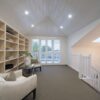
Skylights: control heat and light from above
Skylights are a great way to bring more natural light into a room, but they can also make temperature and light control more difficult.
Because they’re positioned on the roof rather than a vertical wall, they’re exposed to more direct sunlight throughout the day. In summer, this can contribute to unwanted heat, while bright morning or afternoon light can make bedrooms and living spaces uncomfortable.
Skylights can also be difficult to reach. If you have a high ceiling or a skylight positioned well above the floor, manually opening and closing a blind isn’t particularly practical.
What blinds work for skylights?
Skylight blinds can be made specifically for the size and angle of the window. Depending on the room and the amount of light you want to control, you could choose a blockout or light-filtering fabric.
Motorisation can also be a useful option for skylights. Rather than needing to physically reach the blind, you can operate it remotely, making it much easier to manage throughout the day.
For bedrooms, blockout can help control early morning light. In living areas, a light-filtering option can reduce glare while still allowing some natural light into the room.
The right fabric and mechanism will depend on the position of the skylight and how much heat and light you are trying to manage.
Bay windows: one window, several angles
Bay windows can add character and extra light to a room, but their shape can make choosing blinds more complicated.
Unlike a standard window, a bay usually consists of several individual windows that meet at angles. A single standard blind won’t necessarily work across the whole space.
There are generally two approaches when it comes to bay window blinds: treating each window individually or creating a more continuous look across the bay.
Individual blinds
Installing a separate blind on each section of the bay window gives you more control over light and privacy.
You can raise one blind while leaving another closed, which can be useful when different parts of the window receive different amounts of sunlight.
The challenge is making sure each blind works with the angles and available space between the windows.
A more continuous look
Depending on the design of the bay, it may also be possible to create a more consistent look across the whole window using coordinated blinds and suitable headrail or track systems.
This can make the finished result feel less busy, particularly when the bay is a major feature of the room.
A custom measure is particularly useful here because even a small difference in the angles or width of each section can affect how the blinds sit.
Arched and round windows: work with the shape
Arched and round windows are some of the most difficult openings to cover with standard blinds.
Their curves mean a rectangular blind can’t simply be fitted over the top without potentially hiding part of the window or looking out of proportion.
If the shape of the window is a feature of the room, you also probably don’t want to cover it up completely.
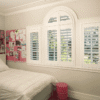
Custom shutters for arched windows
Arched window shutters can be made to follow the shape of the opening, giving you a more fitted finish than a standard rectangular blind.
Shutters can also give you control over privacy and light while allowing the architectural shape of the window to remain part of the design.
Depending on the window, other custom-made window coverings may also be suitable. The important thing is that the solution is measured specifically for the opening rather than trying to force a standard product into an unusual shape.
This is where a custom measure becomes especially important. Curved windows can vary significantly, even when they look similar at first glance.
French doors: blinds that move with the door
French doors look beautiful, but covering them can be a little different from covering a standard window.
The doors need enough clearance to open and close without catching on the window covering. You also need to think about handles, hinges and the amount of space between the doors and the surrounding frame.
The last thing you want is a blind that looks great when the doors are closed but gets in the way every time you open them.
What blinds work for French doors?
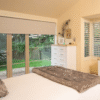
Blinds for French doors need to be fitted closely to the individual door panels while still allowing them to operate normally.
Depending on the door and frame, options such as close-fitting blinds can work well because they sit neatly against the glass and move with the door.
The exact solution will depend on the amount of clearance available and how the doors are used.
For frequently used doors, the blind needs to be easy to operate and robust enough to handle everyday opening and closing.
Bifold doors: keep the opening clear
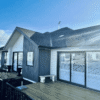
Bifold doors create a similar challenge, but on a much larger scale.
With several panels folding and sliding along a track, there is very little room for a bulky window covering that gets in the way.
The blind also needs to move with the door panels rather than sitting across the entire opening and preventing the doors from folding back.
What blinds work for bifold doors?
Bifold door blinds need to provide coverage while allowing the doors to open fully.
Close-fitting options can be useful because they sit neatly within or against the individual panels, depending on the door design. The important thing is to make sure the blind doesn’t interfere with handles, hinges or the folding mechanism.
A custom measure can identify these clearance issues before the blinds are made, rather than discovering them after installation.
Why a custom measure matters
When a window isn’t standard, measurements become much more important.
A few millimetres can make a difference when you’re working around a curved frame, angled bay window or door that needs to move freely.
A custom measure looks at more than just the width and height of the glass. It can take into account:
- The shape and size of the opening
- Window and door frames
- Handles and hinges
- Available clearance
- How the window or door operates
- Where the blind needs to sit
- How much light and privacy you want
- The overall look you’re trying to achieve
This helps determine which products are actually suitable before you commit to them.
It can also prevent one of the most common problems with tricky windows: choosing a blind that technically fits but doesn’t work properly in everyday use.
Don’t let an awkward window put you off
A skylight, bay window or unusual-shaped window might make finding a blind more complicated, but it doesn’t mean you’re stuck with an uncovered window.
There are solutions for all kinds of tricky openings. Skylights can use specialised or motorised blinds for easier heat and light control. Bay windows can be treated as individual sections or designed to create a more continuous look. Arched windows can work with custom shutters, while French and bifold doors need close-fitting options that allow the doors to keep moving freely.
The key is to start with the window itself rather than trying to find a standard blind that happens to fit.
At Brightshine, we can measure your windows, talk through the options and recommend a solution based on the shape, function and style of your home.
Have a tricky window you’re not sure how to cover?
Book a free custom measure and quote with Brightshine. We’ll help you find a window covering that fits properly, works the way you need it to and looks right in your home.
FAQs:
How do you cover arched or round windows without hiding their architectural shape?
Custom shutters are designed to follow the exact curve of the opening. Unlike standard rectangular coverings that can look out of proportion or hide part of the frame, custom shutters fit the contours of the window directly. This preserves the architectural shape as a design feature of the room while providing adjustable light and privacy control.
What window coverings work best for French and bifold doors?
Close-fitting options designed to mount directly against the glass of each individual door panel work best. Because they sit flush and move with the door panels, they prevent bulky coverings from catching on the frame or interfering with handles, hinges, and sliding or folding tracks.
Why is a custom measure necessary for non-standard windows and doors?
A difference of just a few millimetres can prevent a window covering from functioning properly on an angled, curved, or moving opening. A custom measure assesses more than just width and height; it factors in the overall shape, frame depth, handles, hinges, operational clearance, and how the window or door moves, ensuring the covering doesn’t obstruct daily use.