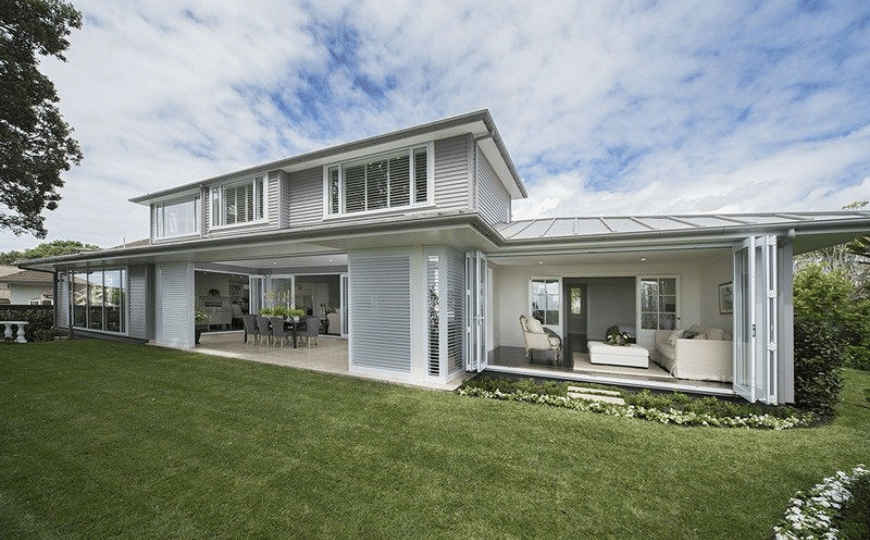
As the weather warms up, it’s a good time to think about how you want to use your outdoor space over summer. Whether you have a deck that gets too much afternoon sun, a pergola that needs more coverage or a patio that feels a little exposed, the right shading can make the area much more comfortable.
There are a few different outdoor shading options to choose from, including outdoor roller blinds, screens, Ziptrak-style blinds, awnings and pergola systems. Each works a little differently, so it’s worth considering your space, the amount of sun and wind it gets and how much privacy you want before deciding.
Why Outdoor Shading Is Worth Considering
A sunny deck can look great, but it isn’t always somewhere you want to sit during the hottest part of the day. Strong sunlight, glare and wind can make outdoor areas less enjoyable, while nearby houses can sometimes leave you wanting a little more privacy.
Outdoor shading can help make your deck or patio more practical throughout summer. Depending on the product, it can:
- Reduce direct sunlight and glare.
- Provide shade for outdoor dining and seating areas.
- Add privacy from neighbouring properties.
- Help shelter the space from some wind.
- Make your outdoor area more comfortable throughout the day.
It can also help your outdoor area feel more connected to the rest of your home, especially if it sits just outside your living or dining space.
Outdoor Roller Blinds and Screens
Outdoor roller blinds and screens are a useful option for decks, patios and covered entertaining areas. They’re usually fitted along the open sides of a space and can be lowered when you want more shade or privacy, then raised when you want to open the area up again.
Outdoor blinds use fabrics designed for exterior conditions. There are different options depending on what you need:
- Mesh screens: Filter sunlight and reduce glare while still allowing some airflow and visibility.
- Privacy screens: Help reduce visibility from outside, although this can depend on the lighting.
- Blockout-style screens: Provide more shade and privacy by blocking a greater amount of sunlight.
If you want to keep the view from your deck, a mesh screen may be a good option. If the area gets strong afternoon sun or looks directly onto a neighbour’s property, you might prefer a denser fabric.
Zip-Track Blinds for Covered Outdoor Areas
Zip-track blinds are often used around covered decks, pergolas and patios where homeowners want a more enclosed space.
How Do Zip-Track Blinds Work?
These systems use side channels to guide the screen as it moves up and down. The fabric stays within the tracks, helping keep it in position and reducing movement compared with some standard outdoor blinds.
You can lower the screen when you want more shade or privacy and raise it when you want the area open. Depending on the system, it may be operated manually or with a motor.
Zip-track blinds can be useful if your outdoor area gets a bit of wind or you want a neater, more enclosed finish. However, they’re not automatically waterproof or suitable for all weather conditions. Check the product specifications and wind ratings before choosing a system.
Outdoor Awnings for Flexible Shade
If your main priority is creating shade over a deck or patio, an outdoor awning is another option to look at. Awnings extend out from the side of your home to provide overhead coverage, helping protect the area underneath from direct sunlight.
Retractable Awnings
Retractable awnings can be opened when you need shade and pulled back when you want more sunlight. This makes them a flexible option for outdoor dining areas, patios and decks that get strong sun at certain times of the day.
They can also help reduce the amount of direct sunlight reaching nearby windows and doors, which may help keep indoor spaces more comfortable.
Fixed Awnings
Fixed awnings stay in place all year, making them worth considering for areas that receive consistent sunlight. The main thing to think about is how much permanent coverage you want and whether the awning will affect natural light inside your home during cooler months.
When comparing awnings, look at the size of the area you want to cover, the direction it faces and whether you would prefer a fixed or adjustable option.
Pergola Shade Options for a More Comfortable Outdoor Space
A pergola can create a great outdoor entertaining area, but an open roof may not provide enough protection from the sun. Adding a roof covering or side screens can make the space more useful, particularly during the warmer months.
Retractable Pergola Roofs
A retractable roof lets you adjust how much overhead shade you have. Open it up when you want more sun and close it when you need extra coverage. Systems vary, with some using fabric coverings and others using adjustable louvres.
Pergola Side Screens
If your pergola already has a roof, side screens can help with low afternoon sun, privacy and exposure to the elements. They can be particularly useful on the side of the pergola that gets the most direct sunlight.
Adjustable Louvre Roofs
Louvre roofs have slats that tilt to let in more or less sunlight and airflow. When open, they allow more light and ventilation. When closed, they provide overhead coverage, although rain protection depends on the design and drainage system.
How to Choose the Right Outdoor Shade for Your Home
The best option will depend on your outdoor area and what you want it to do. Before choosing a product, think about a few practical things.
1. Think About the Direction of the Sun
Pay attention to when your deck or patio gets the most sun. West-facing areas can get strong afternoon sunlight, while north-facing spaces in New Zealand often receive plenty of sun throughout the day.
If the area becomes too hot to use in the afternoon, an awning or outdoor screen may help reduce direct sunlight and glare.
2. Consider Wind Exposure
A sheltered patio has different needs from an exposed deck or coastal property. Check the product’s wind rating and installation requirements, and find out whether the screen or awning needs to be retracted in certain conditions.
3. Decide How Much Privacy You Need
If your outdoor area is close to neighbouring homes, a privacy screen may make it more comfortable to use. Keep in mind that mesh screens don’t necessarily provide complete privacy, particularly at night when lights are on inside.
4. Think About Maintenance
Outdoor products are exposed to sun, rain, dust and changing temperatures. Check that the materials are made for outdoor use and find out how they should be cleaned and maintained. It’s also worth asking about servicing and replacement parts.
Outdoor Shade Options Compared
If you’re still weighing up the options, this table gives you a quick idea of what each type of shading is generally suited to.
| Outdoor shade option | Best suited to | Main benefits |
|---|---|---|
| Outdoor roller blinds | Decks and covered patios | Adjustable shade and privacy |
| Outdoor mesh screens | Decks and patios | Filtered sunlight and airflow |
| Zip-track blinds | Covered outdoor areas | Guided screens and a more enclosed finish |
| Retractable awnings | Decks and patios | Adjustable overhead shade |
| Fixed awnings | Areas with consistent sun | Permanent overhead coverage |
| Retractable pergola roofs | Outdoor entertaining areas | Adjustable roof coverage |
| Louvre roofs | Pergolas | Adjustable sunlight and airflow |
You may find that one product is enough, or that a combination works better. For example, an overhead covering can provide shade from above, while side screens help with low afternoon sun and privacy.
Make the Most of Your Outdoor Space This Summer
Before summer gets into full swing, take a look at how you use your deck, patio or pergola. Think about when it gets too sunny, where the wind comes from and whether you’d like a little more privacy. These details will help you narrow down the options and choose something that suits your home.
It’s also worth thinking about the windows and doors that connect your indoor and outdoor spaces. The right indoor blinds, shutters or curtains can help manage sunlight, glare and privacy inside your home.
If you’re updating your home for the warmer months, explore Brightshine’s range of blinds, shutters and curtains or get in touch with the team to discuss your window furnishing project.
FAQs:
How do Zip-track blinds work?
Zip-track blinds use side channels to guide the screen up and down, keeping the fabric within the tracks to reduce movement. They can be operated manually or with a motor.
What is the difference between mesh, privacy, and blockout screens?
Mesh screens filter sunlight and reduce glare while keeping airflow and visibility. Privacy screens help reduce visibility from outside depending on lighting, while blockout-style screens block more sunlight for greater shade and privacy.
Are Zip-track blinds waterproof and suitable for all weather?
No, they are not automatically waterproof or suitable for all weather conditions. You should always check the product specifications and wind ratings before choosing a system.
What shade options work best for a pergola?
For open-roof pergolas, retractable pergola roofs and adjustable louvre roofs let you control overhead sunlight and airflow. If your pergola already has a roof, side screens can help block low afternoon sun and add privacy.
Should I choose a retractable or fixed awning?
A retractable awning can be opened for shade and pulled back when you want more sunlight. A fixed awning stays in place all year, making it suited to areas with consistent sunlight.