How to Create a Bright Learning Space for Your Kid’s Room
Creating a learning space for your child doesn’t mean you need a spare room or a complete bedroom makeover. A small desk near a window, somewhere to keep their books and art supplies, and a comfortable spot to sit can be more than enough. The key is creating a space that feels bright, comfortable and inviting, while giving your child somewhere they can read, draw, build, play and explore independently.
What Makes a Good Learning Space?
For young children, learning doesn’t only happen when they’re sitting at a desk with a workbook.
It’s drawing a picture after reading a story, building something with blocks, completing a puzzle, experimenting with paint or sitting quietly with a favourite book. A good learning space gives them somewhere to do all of these things.
It also doesn’t need to be perfectly tidy or look like a mini classroom. In fact, the best spaces often feel like a natural part of the bedroom or playroom.
Think about what your child actually enjoys doing and build the space around that.
If they love drawing, make sure there is somewhere they can easily access paper and pencils. If they’re constantly building towers, leave some floor space for blocks. If books are their thing, create a little reading corner they can retreat to.
The goal is to make learning feel like part of everyday life rather than something that only happens when it’s time to sit down and concentrate.
Start With the Light
Natural light can completely change the feel of a child’s room.
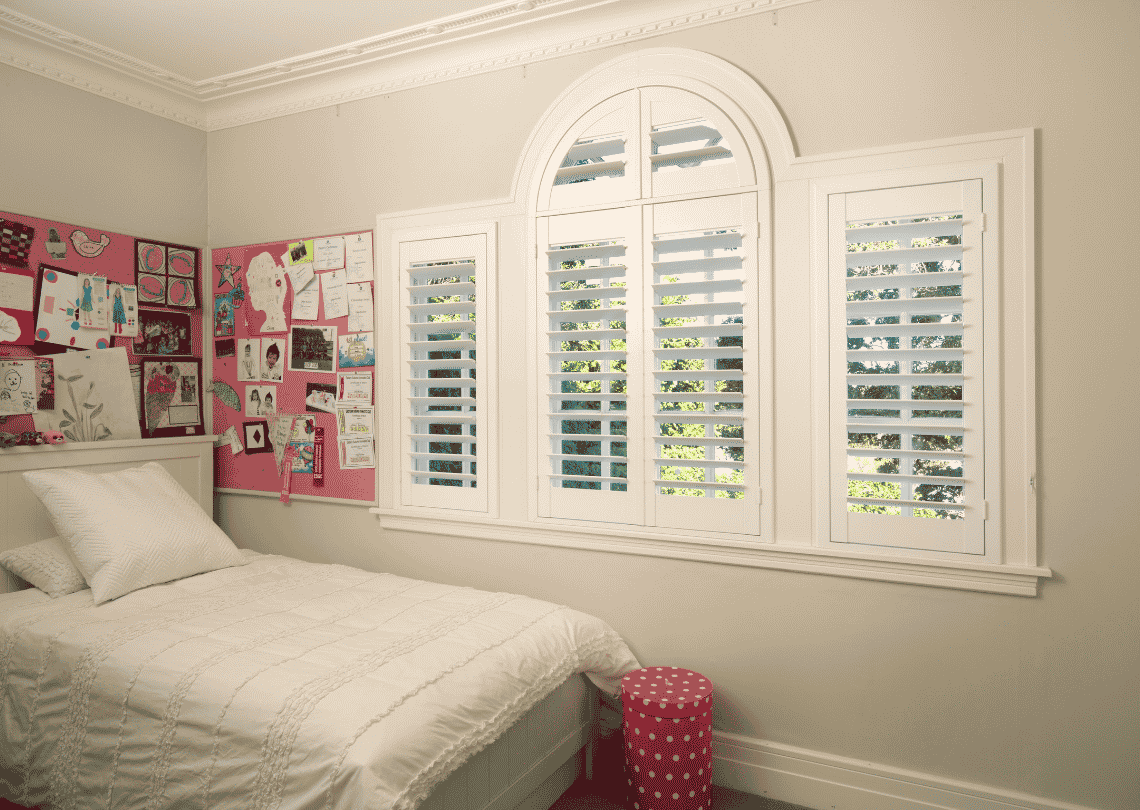
If you have the option, position their learning area near a window so they can make the most of daylight. A bright space can feel much more inviting for reading, drawing and playing during the day.
But more light isn’t always better.
Direct afternoon sun can create glare on books, screens and craft tables, while bright morning sun can make it difficult for little ones to settle if the same room is also used as a bedroom.
This is where good window coverings come in.
Roller blinds can make it easy to adjust the amount of light throughout the day. Sunscreen fabrics can reduce glare while still letting natural light into the room, while blockout blinds are useful when you need to darken the room for naps or bedtime.
Being able to adjust the light means the room can work for different activities throughout the day.
Make the Most of a Small Space
You don’t need a huge bedroom to create a learning area.
An unused corner, a section of a playroom or even a small wall beside a window can become a useful little learning zone.
A compact table and chair can be enough for drawing, puzzles and crafts. Add a low shelf beside it for books and supplies and you’ve already got the basics.
If space is particularly tight, look for furniture that can do more than one job. A small table can be used for crafts during the day and puzzles in the afternoon, while a bench with storage underneath can double as seating and somewhere to keep toys.
Keeping the area simple can actually make it easier for children to focus. Too many toys and activities competing for attention can quickly turn a learning space into another source of clutter.
Let Your Child’s Age Guide the Space
A learning space for a three-year-old is going to look very different from one for an eight-year-old.
For younger children, accessibility is important. Books, pencils, puzzles and toys should be low enough for them to reach without constantly asking for help.
As they get older, the space can evolve to include a larger desk, more storage, a proper reading area and somewhere for homework or creative projects.
Try not to design the room entirely around what your child needs right now. Choose a few pieces that can grow with them, so you don’t have to start again every couple of years.
A sturdy desk, adjustable chair and flexible storage can last well beyond the toddler years.
Create a Little Reading Corner
Not all learning needs to happen sitting at a desk.
A comfortable reading corner is a lovely addition to a child’s bedroom or play space and can be surprisingly simple to create.
Try a small bookshelf, floor cushions, a beanbag or a comfy chair. Position it somewhere with plenty of natural light and make sure their favourite books are easy to see and reach.
You don’t need hundreds of books either. Keeping a smaller selection on display and rotating them every so often can make old favourites feel exciting again.
A reading corner can also become a quieter part of the room when your child needs a break from noisier play.
Keep Things at Their Level
If you want your child to use the space independently, make sure they can actually reach the things in it.
Low shelving, baskets and open storage work particularly well for younger children. They can see what’s available, choose an activity and, importantly, learn to put things away afterwards.
You can also use simple labels or pictures on storage boxes to make tidying easier.
It doesn’t have to be perfect. The idea is simply to give everything a place so the room doesn’t become completely taken over by pencils, books and half-finished craft projects.
Leave Room for Messy Play
A learning space shouldn’t be so carefully styled that your child is afraid to use it.
Painting, playdough, cutting, gluing and other creative activities can get messy, and that’s part of the fun.
Choose surfaces that are easy to wipe down and keep craft supplies together in a basket or container. If possible, have the table near a surface that’s easy to clean.
This is also something to think about when choosing window coverings.
If the learning area is close to a window, particularly in a playroom or younger child’s bedroom, practical blinds that are easy to clean can be a better choice than delicate fabrics that need more care.
Add Colour Through the Things They Love
You don’t need to paint the entire room bright yellow or cover the walls in colourful patterns to create a fun learning space.
A neutral base can actually make it easier for your child’s personality to come through.
Add colour with artwork, books, cushions, storage baskets, rugs and things they’ve made themselves. These are easy to change as their interests evolve.
One month it might be dinosaurs. Six months later, it could be space or painting.
Let the room change with them.
Think About Screen Time
As children get older, their learning space may eventually become somewhere they use a tablet, laptop or computer.
If you’re setting up a desk now, it’s worth thinking about where a screen would eventually sit.
A desk directly in front of a window can create glare, particularly during bright Auckland afternoons. Positioning the desk so the window is to the side can often work better.
Window coverings can help here too. Sunscreen blinds can reduce glare while maintaining natural light, making them useful in older children’s bedrooms and study areas.
And when the sun goes down, a simple desk lamp can provide focused light without needing the whole room brightly lit.
Don’t Forget Window Safety
Window safety is particularly important in rooms used by young children.
Keep furniture such as beds, chairs and climbing-friendly storage away from windows where possible, and consider child-safe window covering options.
Cordless and motorised blinds can be a practical choice for children’s rooms because they reduce accessible cords and make it easy to adjust the blinds throughout the day.
If you’re replacing the window coverings as part of a bedroom update, it’s worth considering safety alongside the look and fabric rather than leaving it until the end.
Choose Window Coverings That Work Hard
The window covering in a child’s room has a lot to do.
You might want to block out early morning light, reduce afternoon glare, keep the room comfortable, provide privacy and still let plenty of daylight in during the day.
That’s why one blind won’t necessarily suit every room in the house.
A blockout roller blind might be the best option for a child’s bedroom where sleep is the priority, while a sunscreen blind could work better in a playroom or study where you want to maintain natural light.
For rooms that get strong afternoon sun, the right fabric can also make the space feel much more comfortable.
At Brightshine, we help homeowners look at how a room is actually used before recommending a window covering. It’s not just about choosing a colour that looks good. It’s about finding something that works for the light, the space and everyday family life.
A Simple Learning Space Guide
| Think About | What Could Work |
|---|---|
| Natural light | Set up near a window where possible |
| Glare | Sunscreen or light-filtering blinds |
| Sleeping | Blockout roller blinds |
| Storage | Low shelves, baskets and accessible drawers |
| Reading | Small bookshelf and comfortable seating |
| Creative play | Wipeable table and easy-to-clean surfaces |
| Screen time | Position desk beside, rather than directly in front of, a window |
| Safety | Child-safe cordless or motorised window coverings |
| Growing children | Flexible furniture that can adapt over time |
Let Them Have a Say
One of the easiest ways to make a learning space feel special is to let your child have some ownership over it.
They could choose a cushion, decide which books go on the shelf, pick where their artwork is displayed or help organise their craft supplies.
You don’t need to give them control over everything. But allowing them to make a few decisions can make the space feel like theirs.
And that’s really what you’re trying to create.
Not a perfect little classroom. Not a room that looks good in a photo but never gets used.
Just a space where they feel comfortable sitting down, getting creative, asking questions and spending time doing something they enjoy.
Creating a Bright Space to Learn, Play and Grow
A great learning space doesn’t have to be complicated. Start with good natural light, a comfortable place to sit, accessible storage and enough room for your child to do the things they love.
Then think about how the room needs to work throughout the day. Maybe it needs to be bright and open for drawing in the morning, comfortable and glare-free for reading in the afternoon, and dark and cosy when it’s time for bed.
The right window coverings can help make all of those things possible.
At Brightshine, we know that family homes need to work hard. That’s why we look at more than just how a blind looks in a room. We consider light, privacy, safety and how the space will actually be used.
If you’re creating a new learning space, updating a child’s bedroom or making over an indoor play area, an in-home consultation can help you find window coverings that suit the space and your family. A few thoughtful choices now can make the room more comfortable, practical and enjoyable as your child grows.
FAQs
How do window coverings help balance learning and sleep in a child’s bedroom?
Window coverings allow you to adapt the room’s light for different uses throughout the day. Sunscreen or light-filtering blinds reduce glare on books, crafts, and screens while preserving natural daylight during study time. At bedtime or naptime, blockout roller blinds create the dark, cozy environment needed for proper rest.
What are the key safety considerations when setting up a learning space near a window?
Position furniture, such as beds, chairs, and climbing-friendly storage, away from windows so children cannot easily climb them. Additionally, choose child-safe window coverings, like cordless or motorized blinds, to reduce accessible cords that pose a risk to young children.