Light filtering and blockout blinds serve different purposes, and the right choice depends on how much light, privacy, and control you need in each room. Light filtering blinds soften and diffuse natural light while maintaining daytime privacy, whereas blockout blinds are designed to block external light almost entirely. Knowing the difference helps you choose window coverings that support comfort, functionality, and energy efficiency throughout your home.
How Light Filtering and Blockout Blinds Control Natural Light
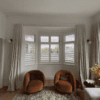
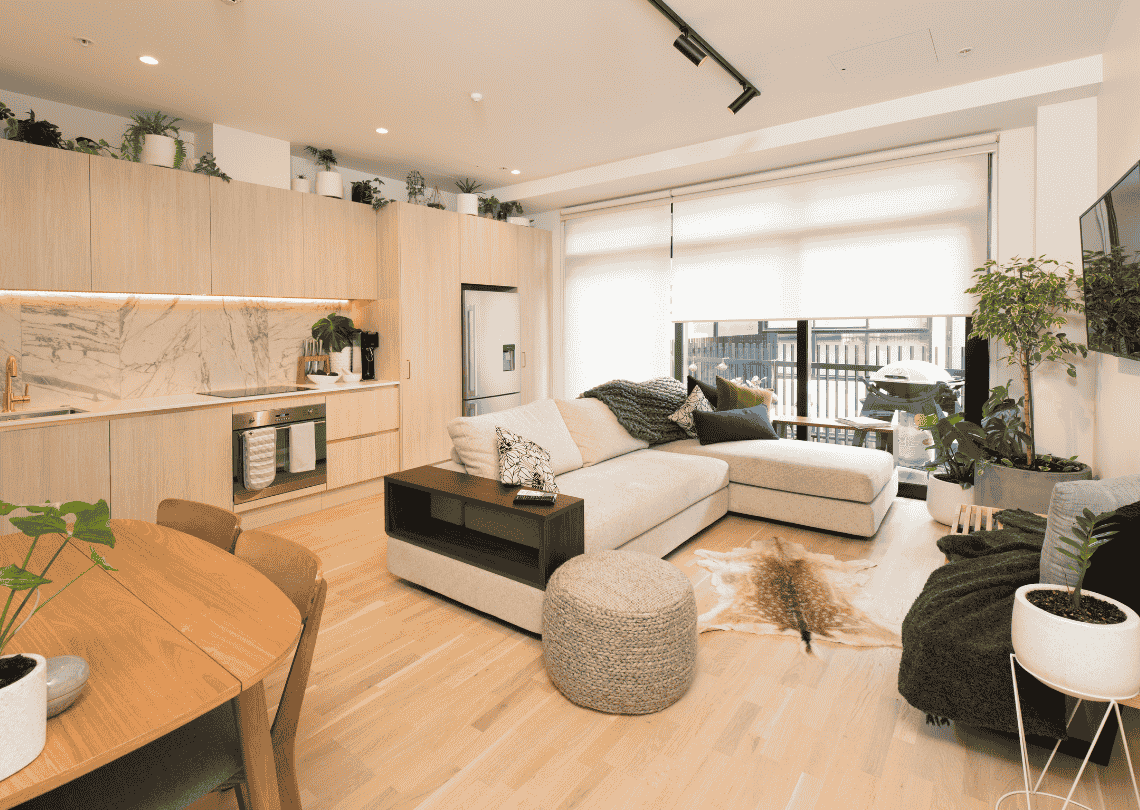
The most noticeable difference between light filtering and blockout blinds is how they manage sunlight. Light filtering blinds are made from semi-translucent materials that allow natural light to pass through gently. This helps reduce glare and harsh UV exposure while keeping rooms bright and inviting. They are ideal for spaces where you want to enjoy daylight without overwhelming brightness.
Blockout blinds are constructed using tightly woven fabrics or special backing that prevents light from passing through. When installed correctly, they can significantly darken a room, making them suitable for environments where precise light control is essential.
Privacy Differences Between Light Filtering and Blockout Blinds
Privacy plays a major role when deciding between these two blind types. Light filtering blinds provide effective privacy during the day by obscuring views from outside while still allowing light in. However, at night, when interior lights are on, they may allow shapes or movement to be visible.
Blockout blinds offer complete privacy both day and night. Their opaque design ensures that no visibility is possible from outside, making them a strong choice for bedrooms, bathrooms, and windows facing busy streets.
Energy Efficiency and Insulation Performance
Blockout blinds typically offer superior insulation benefits due to their thicker construction. They help reduce heat loss during colder months and limit heat gain in warmer weather, contributing to better indoor temperature control and potential energy savings.
Light filtering blinds can still help minimise UV exposure and reduce some heat, but their primary function is to manage light rather than maximise insulation.
Choosing the Right Blinds for Each Room
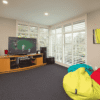
The best blind choice depends on how each space is used. Light filtering blinds work well in living rooms, kitchens, and dining areas where natural light enhances the atmosphere. Blockout blinds are better suited to bedrooms, nurseries, and media rooms, where darkness and privacy support sleep and comfort.
Some homeowners choose to mix both styles throughout the home or install dual blinds to enjoy the benefits of both options in one window.
Understanding the difference between light filtering and blockout blinds allows you to make informed decisions for each room in your home. Light filtering blinds create bright, welcoming spaces, while blockout blinds deliver maximum light control, privacy, and insulation. Choosing the right option for each area helps improve comfort, functionality, and overall home efficiency.