Yes, blinds can help insulate your home by reducing heat loss in winter and limiting heat gain in summer. While they won’t replace proper insulation, well-fitted blinds create an extra barrier at your windows, helping regulate indoor temperature and improve overall energy efficiency in NZ homes.
Why Windows Are a Major Source of Heat Loss
Windows are one of the biggest areas where homes lose heat, especially in older New Zealand properties with single glazing. Warm air escapes easily through glass, and cold air can enter just as quickly. In summer, the opposite happens, with heat building up inside.
This is where blinds play an important role. By covering the window, they reduce the direct transfer of heat, making it easier to maintain a comfortable indoor temperature without over-relying on heating or cooling.
How Blinds Help with Insulation
Blinds act as a barrier between your room and the window surface. When closed, they trap a layer of air between the blind and the glass, slowing down heat movement.
In winter, this helps keep warm air inside. In summer, it reduces the amount of heat entering your home. The effectiveness depends on the type of blind, how well it fits, and the material used.
The Most Energy-Efficient Types of Blinds
Roller Blinds (Blockout Fabrics)
Blockout roller blinds are one of the most effective options for insulation. Their thicker material helps block heat transfer and reduce drafts around windows.
They’re a popular choice in NZ homes because they’re simple, effective, and easy to maintain.
Roman Blinds
Roman blinds provide insulation through their layered fabric design. When lowered, the folds create additional thickness, helping retain heat in cooler months.
They’re particularly well-suited to bedrooms and living areas where both comfort and style matter.
Shutter Blinds
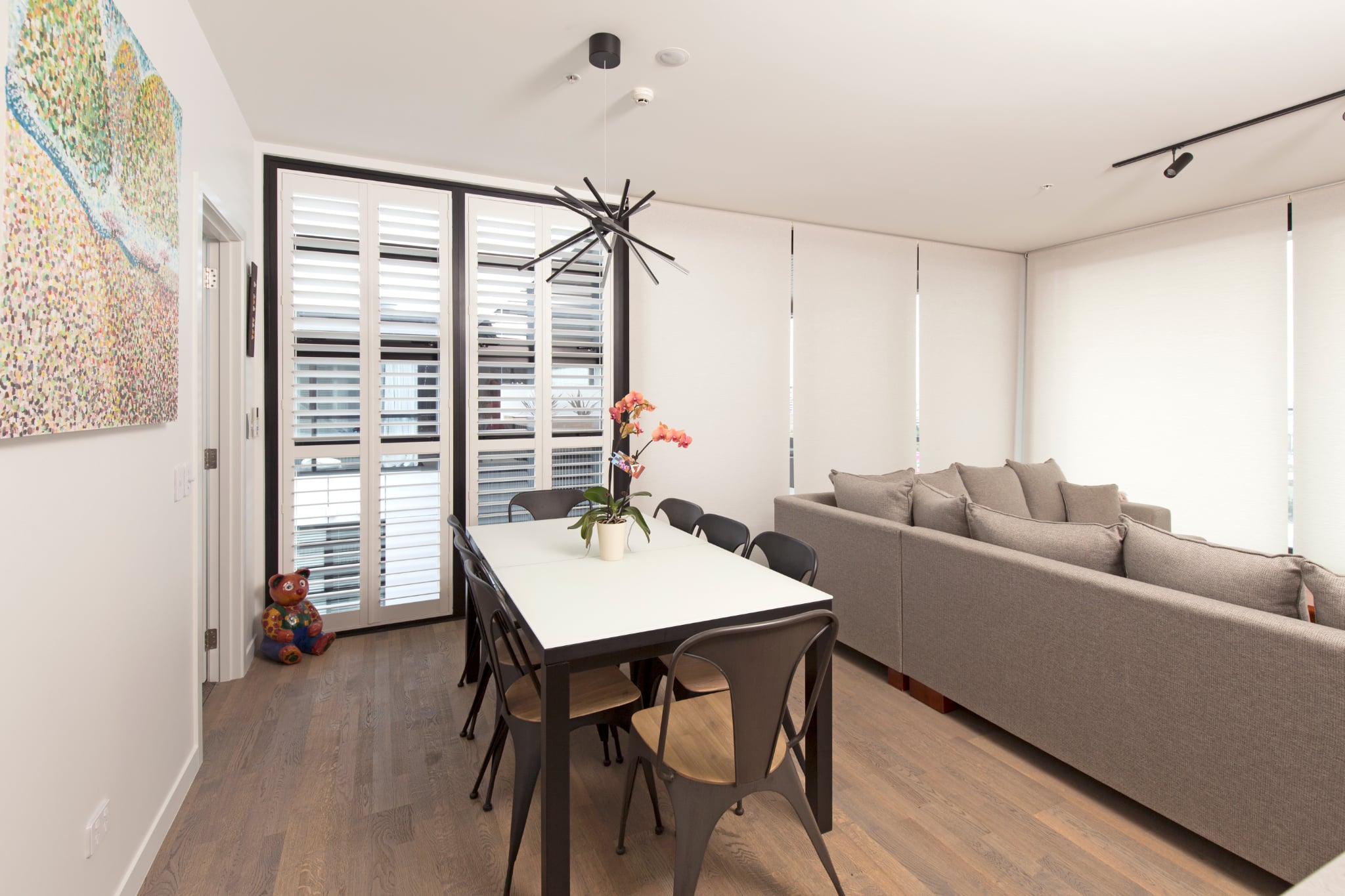
Shutters are one of the best performers when it comes to insulation. Because they are fitted tightly within the window frame, they minimise gaps where air can pass through.
They also allow you to adjust light without fully opening the window covering, helping maintain temperature control throughout the day.
Honeycomb (Cellular) Blinds
Although less common, honeycomb blinds are specifically designed for insulation. Their unique structure traps air within pockets, creating a strong barrier against heat transfer.
Getting the Best Results from Your Blinds
To maximise energy efficiency, fit matters just as much as the type of blind. Gaps around the edges can let air pass through, reducing effectiveness.
Choosing blinds that sit close to the window frame, or are professionally measured and installed, can make a noticeable difference. Brightshine often works with homeowners to ensure blinds are fitted correctly for both appearance and performance, which is especially important in homes where insulation is a concern.
It also helps to adjust your blinds throughout the day. Closing them at night in winter keeps warmth in, while closing them during sunny parts of the day in summer keeps heat out.
Other Simple Ways to Improve Efficiency
Blinds work best when combined with other small changes around the home. Sealing drafts, using curtains alongside blinds, and making use of natural sunlight during the day all contribute to better temperature control.
Layering window coverings is particularly effective, giving you both insulation and flexibility depending on the season.
Making a Practical Difference
Blinds are a simple, cost-effective way to improve comfort in your home. While they won’t replace insulation in walls or ceilings, they do make a noticeable difference at the windows — one of the most common problem areas.
With the right choice of blinds and proper installation, you can create a home that stays warmer in winter, cooler in summer, and more comfortable all year round